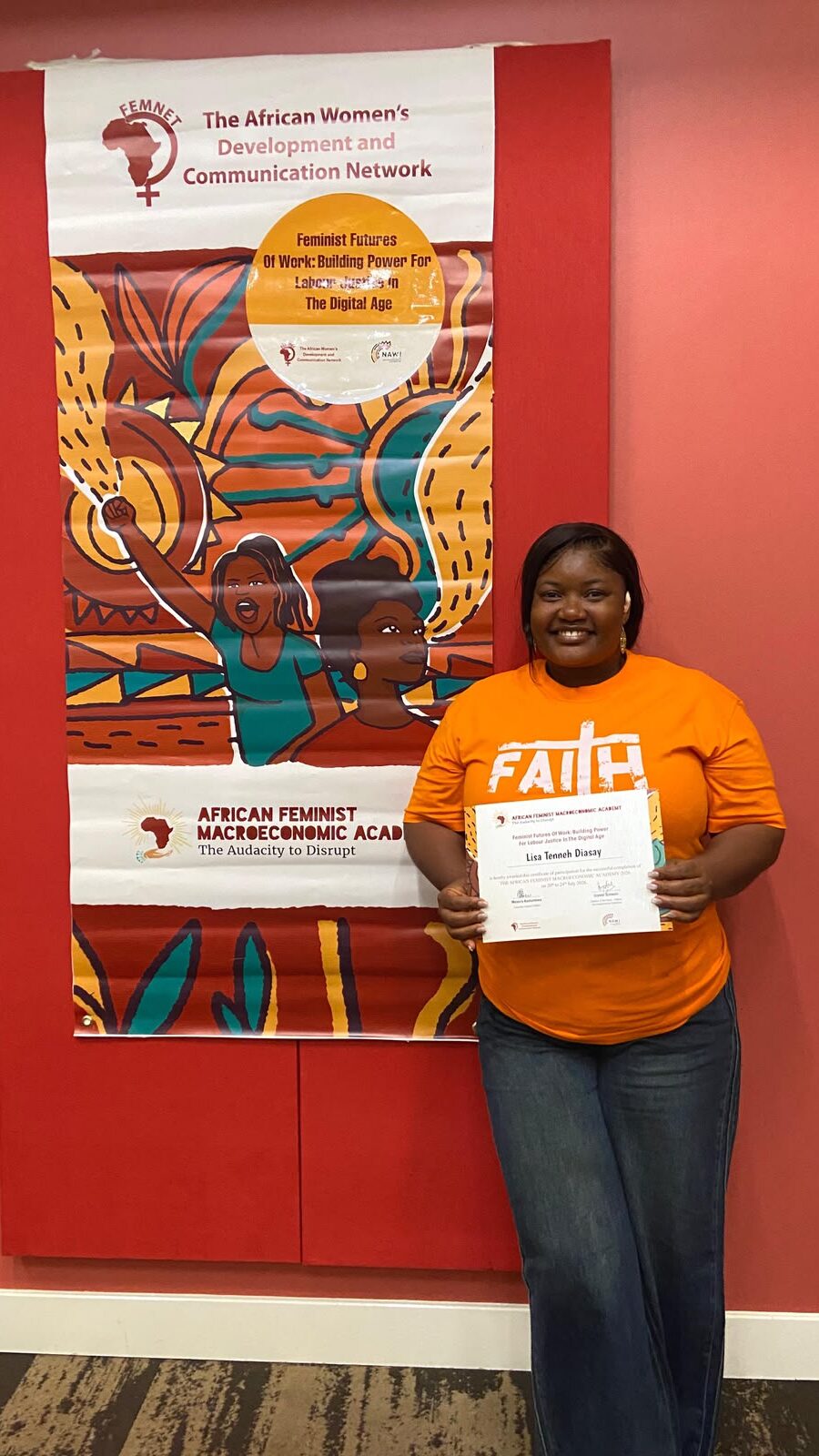
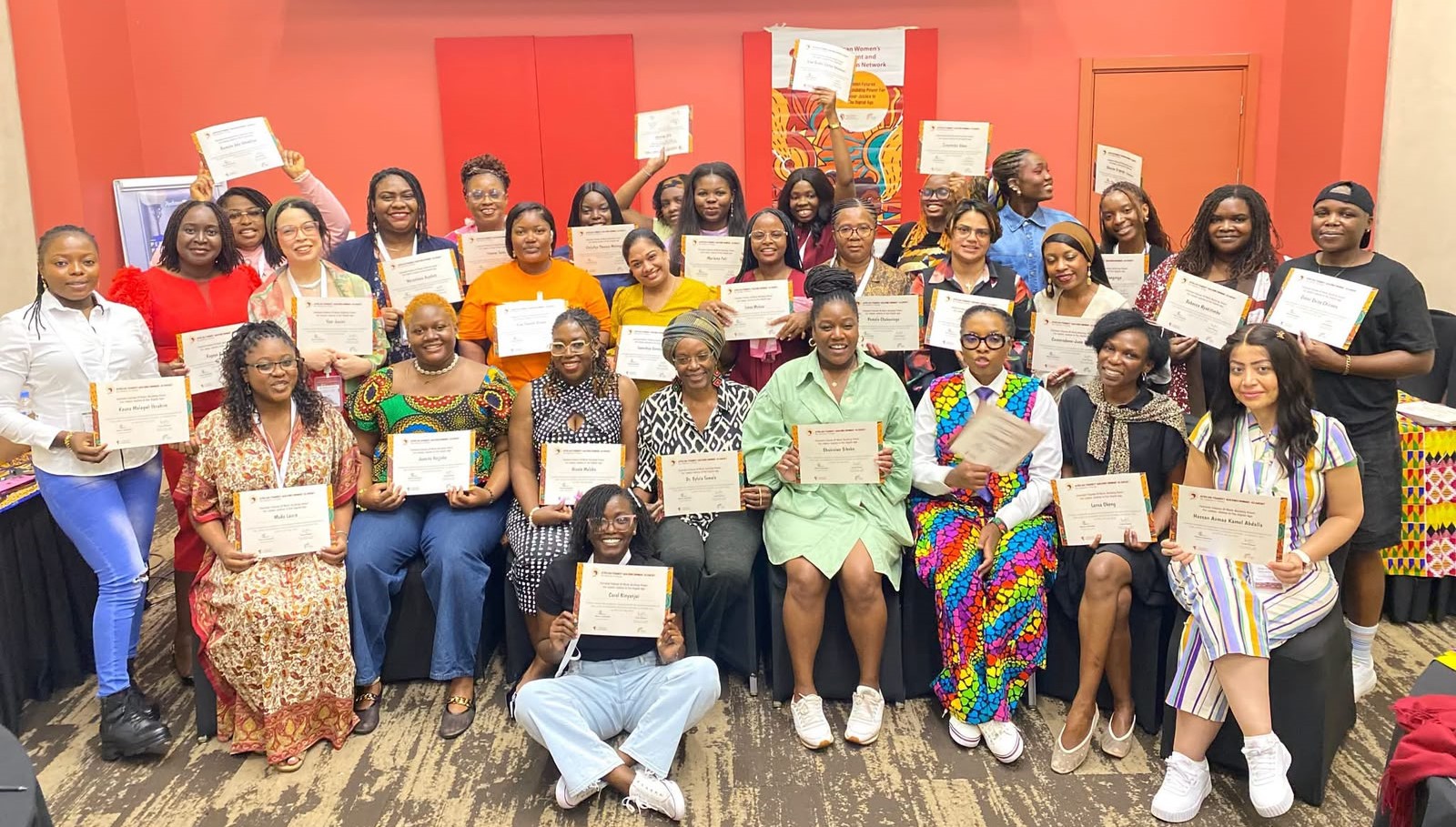
KIGALI, Rwanda — Liberian feminist, women’s media leader and advocate Madam Lisa Tenneh Diasay has represented Liberia at the 2026 African Feminist Macroeconomy Academy (AFMA), joining 25 brilliant African advocates and movement leaders from across the continent for a week of intensive learning, reflection, networking and feminist political education in Kigali, Rwanda.
The five-day academy, convened by the African Women’s Development and Communication Network (FEMNET) in partnership with the Nawi Afrifem Collective from July 20 – 24, 2026, was held under the theme “Feminist Futures of Work: Building Power for Labour Justice in the Digital Age.” The academy brought together African activists, organisers, advocates and leaders to interrogate the relationship between gender, labour, technology, economic systems and power. For Diasay, her participation was not only an opportunity to represent Liberia but also a significant space to connect with feminist thinkers and advocates from across Africa, exchange experiences and strengthen continental solidarity around women’s rights, economic justice and social transformation.
As a feminist and women’s media leader, Diasay said the academy unlocked new ways of understanding how patriarchy, capitalism, colonialism and dominant economic systems have shaped African societies and continue to influence the lives and opportunities of women. One of the strongest reflections from the engagement was the feminist principle that “the personal is political” a recognition that the experiences women face in their homes, workplaces, communities and societies are connected to larger political, economic and social structures. The academy also challenged participants to interrogate dominant narratives about Africa’s history and development and to question who has been allowed to define what constitutes knowledge, progress and economic value. For Diasay, the conversations reinforced the need for Africans to reclaim their histories and recognise the wealth of knowledge, innovation, communal systems and values that existed long before colonialism and modern capitalist systems.
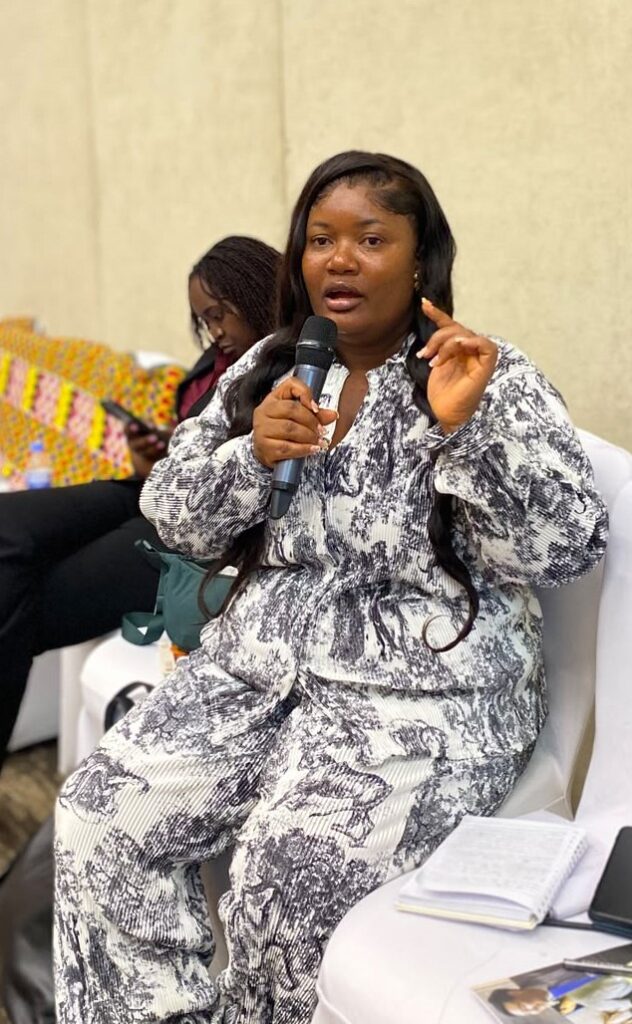
She reflected that capitalism and colonialism have, in many ways, exploited African resources while simultaneously obscuring or diminishing the contributions of African people and communities to civilization, knowledge production and economic development. The conversations further strengthened her conviction that Africa remains a beacon of hope for the world because of its enormous human, cultural and natural resources, despite the deep scars left by colonial exploitation and contemporary economic systems.
The academy created space to examine how these systems have influenced everything from labour and economic policy to unpaid care work, social reproduction, workers’ rights and the emerging digital economy. According to FEMNET, AFMA is designed to deepen collective understanding of macroeconomic justice and its intersections with women’s and gender-diverse people’s lives, while strengthening feminist economic thought, advocacy and movement-building across Africa.
Beyond the classroom and structured sessions, Diasay’s participation provided an important opportunity for networking and movement-building. Meeting advocates from different African countries enabled participants to share their realities, strategies and approaches to challenging structural inequality. The exchange also demonstrated that many of the challenges confronting African women although shaped by different national contexts are interconnected. For Diasay, the experience reinforced the importance of African feminists building collective power rather than working in isolation. The academy also explored the changing world of work, including digitalisation, automation, platform economies and the ways technology can reproduce existing inequalities if it is not designed and governed through an inclusive and feminist lens. Participants examined unpaid care, social reproduction and workers’ rights, while also questioning mainstream economic indicators that often fail to capture the enormous contributions women make to families, communities and economies.
As AFMA 2026 came to a close, FEMNET described the academy as a space where 25 African advocates and leaders came together to “interrogate, dismantle, and reimagine our economic futures.”
During the academy, participants unpacked feminist theory, consciousness and patriarchy; interrogated economic justice beyond mainstream economic aggregates; centred unpaid care, social reproduction and workers’ rights; and explored how African feminists can reclaim the digital frontier and design feminist digital futures. For Diasay, however, the end of the academy represents the beginning of a much larger responsibility. The knowledge, relationships and perspectives gained in Kigali are expected to inform her continued work in feminist advocacy, women’s leadership, media development and the advancement of social and economic justice in Liberia. Her participation also places Liberia within a growing continental conversation seeking to challenge systems that perpetuate inequality while advancing African feminist alternatives rooted in justice, dignity, collective care and the realities of African people.
The academy may have ended, but the connections established, ideas exchanged and collective vision developed in Kigali are expected to continue through advocacy, organising, movement-building and efforts to shift power across African societies. For Diasay, representing Liberia among a select group of African advocates was therefore more than participation in an international programme it was an opportunity to carry Liberia’s voice into a continental feminist space while returning with new knowledge, relationships and renewed determination to contribute to building a just and equal Africa where women’s work, knowledge, leadership and contributions are recognised and valued.