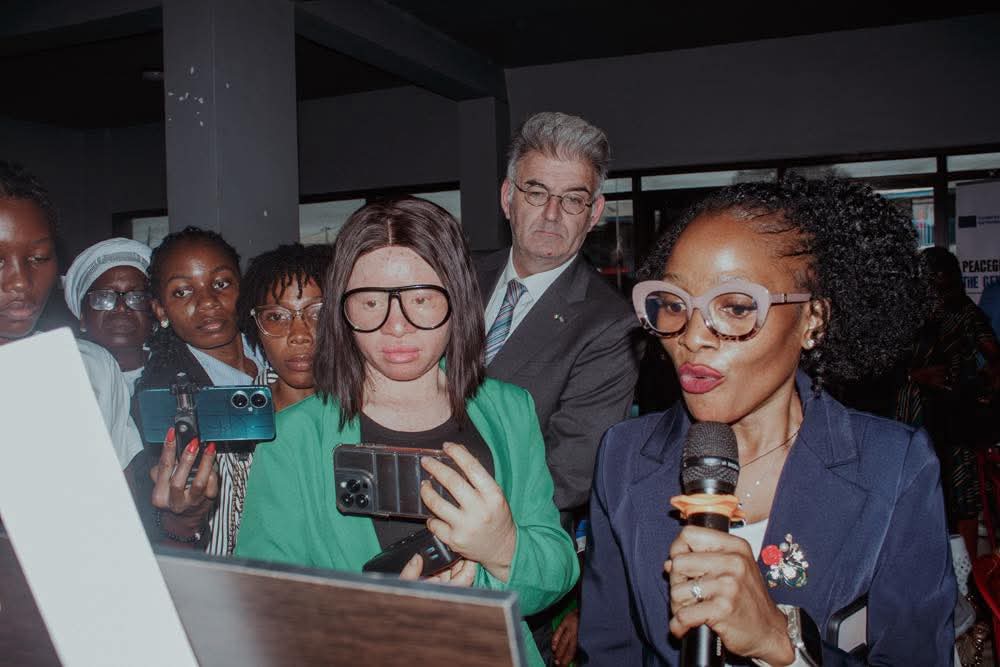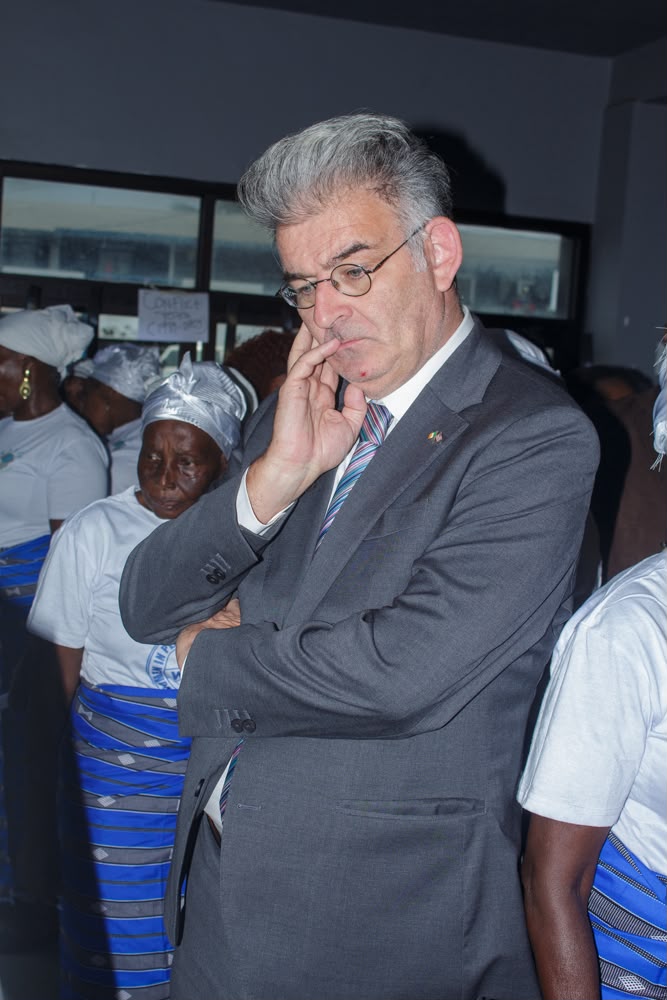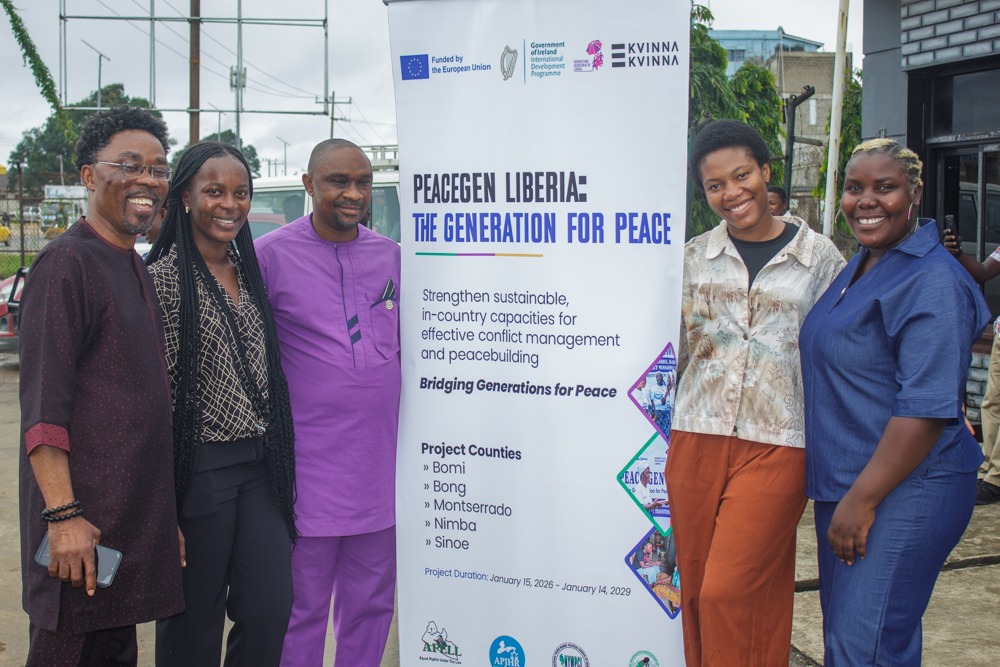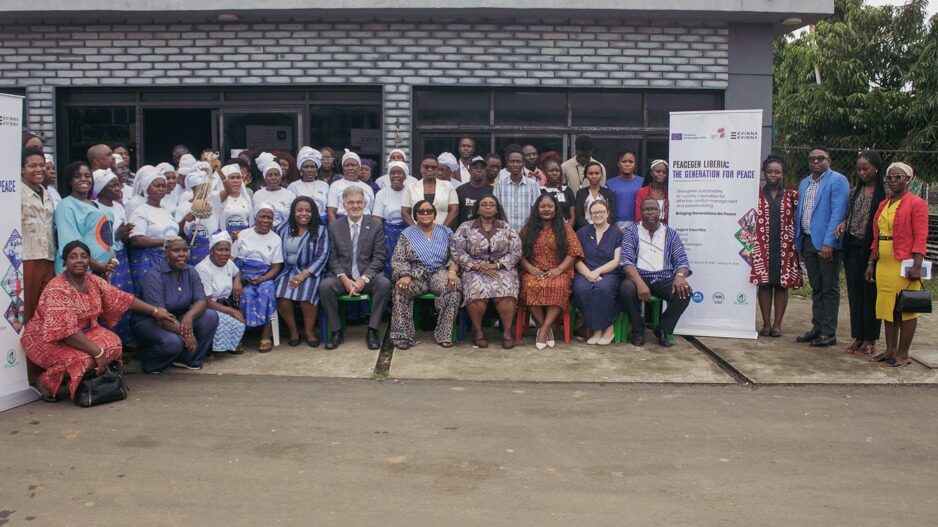
On July 29, 2026, the Female Journalists Association of Liberia (FeJAL), together with its partners, officially launched the PeaceGen Photo Exhibition: Liberia’s Next Chapter: A Photo Exhibition on Justice, Peace, and Renewal. The exhibition is part of the broader PeaceGen Liberia: The Generation for Peace Project an initiative dedicated to preserving Liberia’s history, promoting national healing, and strengthening public advocacy for social justice, including the establishment of the War and Economic Crimes Court (WECC).
Organized by FeJAL with support from the Office for the Establishment of the War and Economic Crimes Court for Liberia (OWECC-L), the Kvinna till Kvinna Foundation (KtK) as project lead, the Women NGOs Secretariat of Liberia (WONGOSOL) as co-lead, and the PeaceGen Partners, the exhibition represents a collaborative effort to ensure Liberia’s history is neither forgotten nor repeated. The PeaceGen Liberia Project is funded by the European Union and co-funded by the Embassy of Ireland.
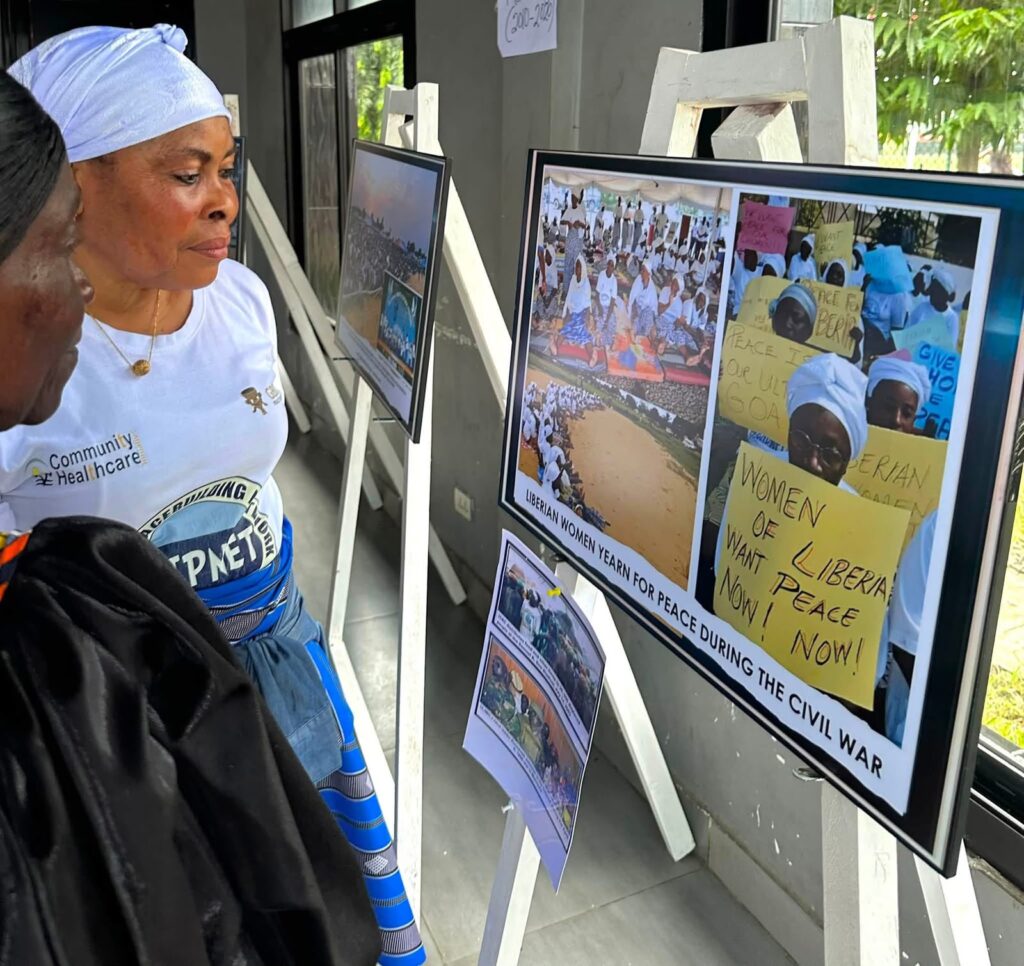
Held at the historic WIPNET Peace Hut at Invincible Park, Monrovia, the exhibition’s location carried profound symbolic weight. It was at this very site that Christian and Muslim women united during the civil war, setting aside religious and political differences to demand peace. Their collective action became one of Liberia’s most powerful symbols of nonviolent resistance and national unity making it the perfect setting for an exhibition exploring the nation’s journey from conflict toward reconciliation.
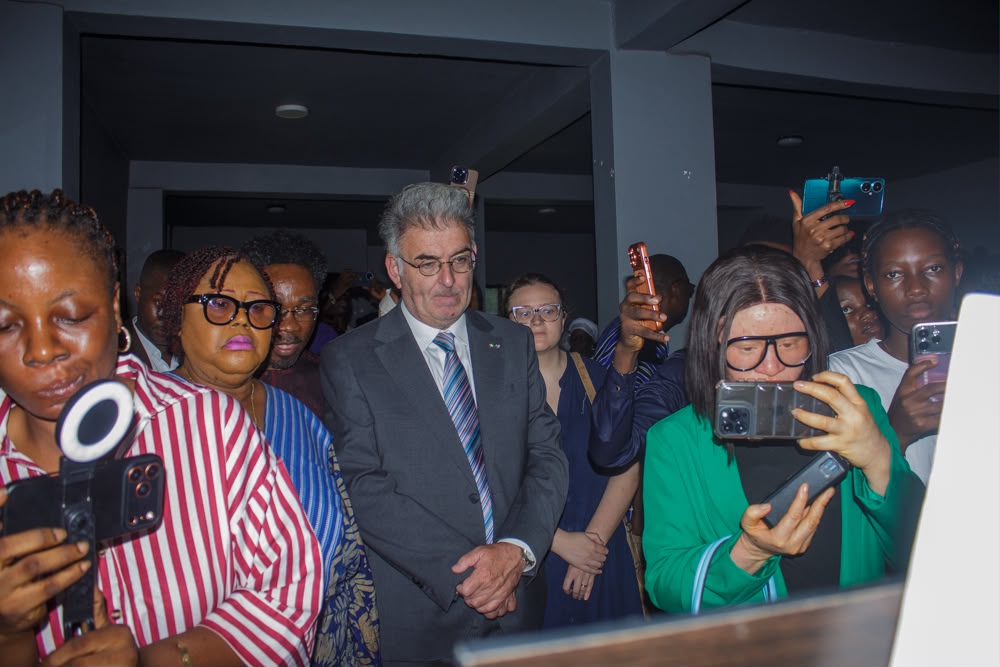
The event brought together government officials, members of the diplomatic community, civil society organizations, development partners, journalists, and members of the public all united in reflection on Liberia’s past and commitment to its future.
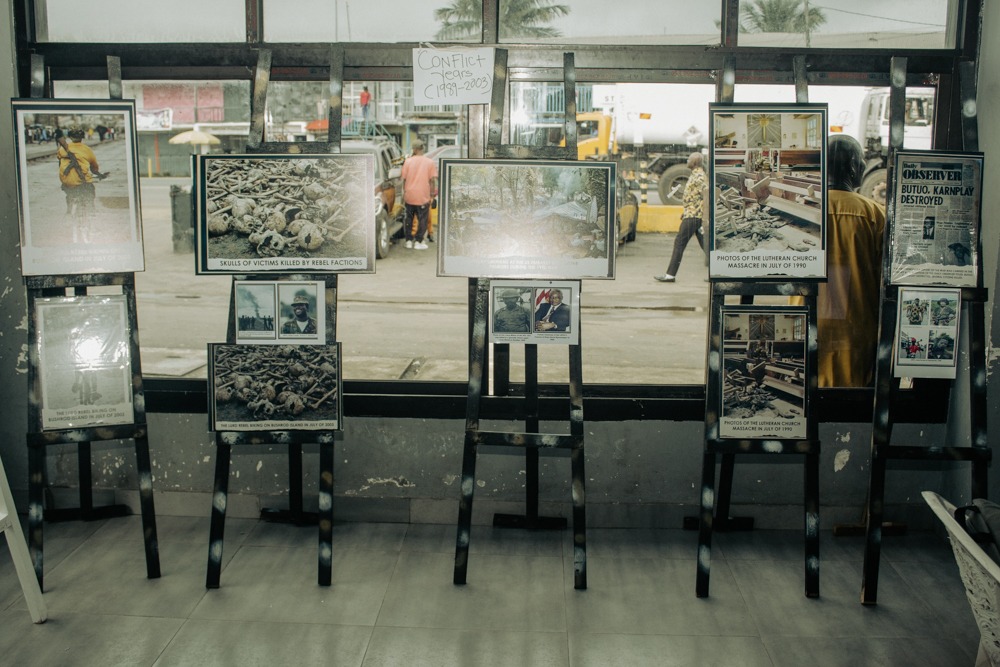
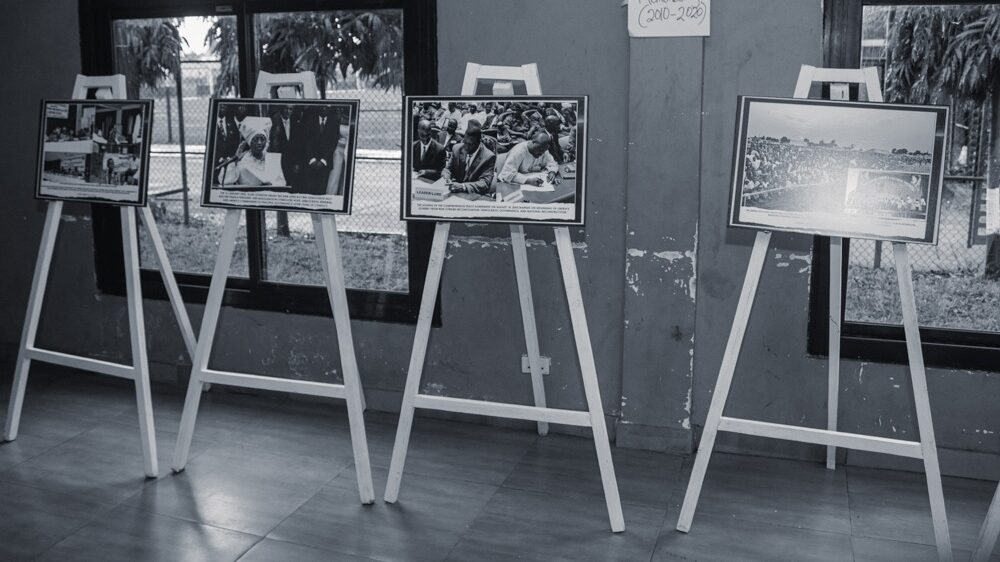
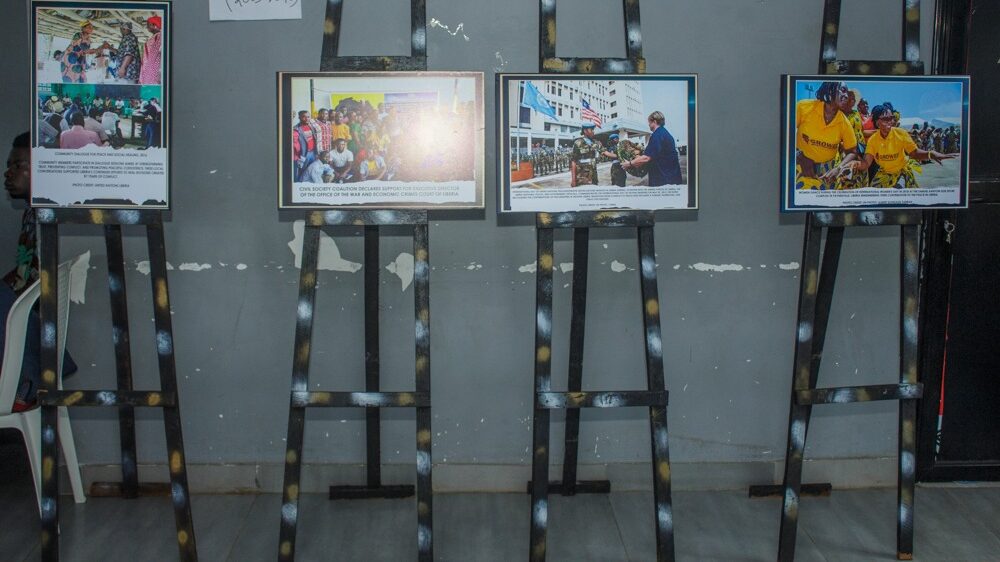
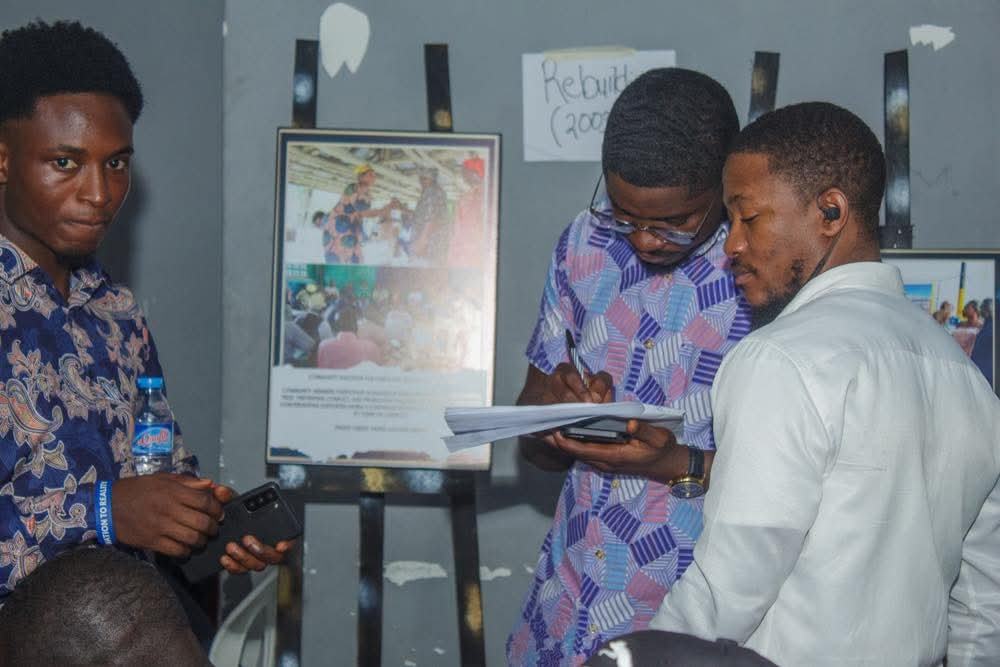
Following the formal opening ceremony, guests were guided on a tour of the gallery, systematically reviewing the powerful visuals that spanned Liberia’s decade-long history. The exhibition featured photographs spanning four defining phases of Liberia’s history. The conflict years documenting the devastating impact of civil war, the rebuilding years capturing the early steps toward recovery, the remembering years honoring those lost and preserving memory and the justice and renewal years highlighting progress toward accountability and lasting peace
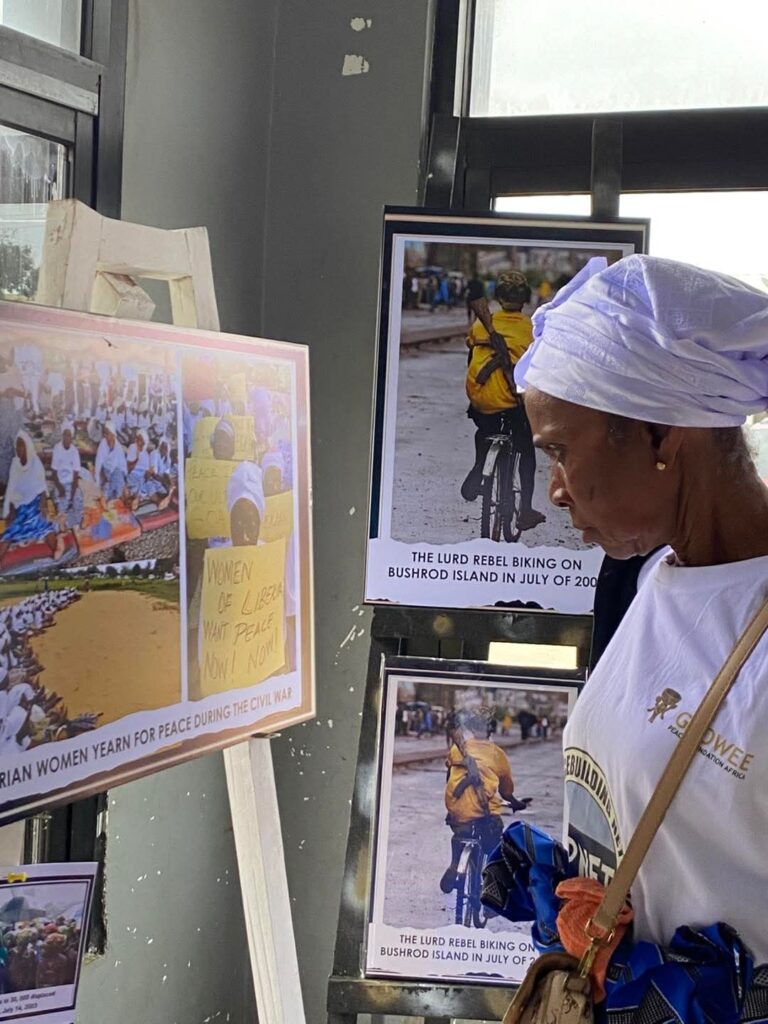
Each photograph served as a powerful reminder of the human cost of conflict while simultaneously showcasing the resilience of the Liberian people and the nation’s steady progress toward peace. Visitors were encouraged to reflect on the past, engage in meaningful dialogue about accountability and reconciliation, and renew their commitment to ensuring that history serves as a foundation for justice, not a cycle of violence.
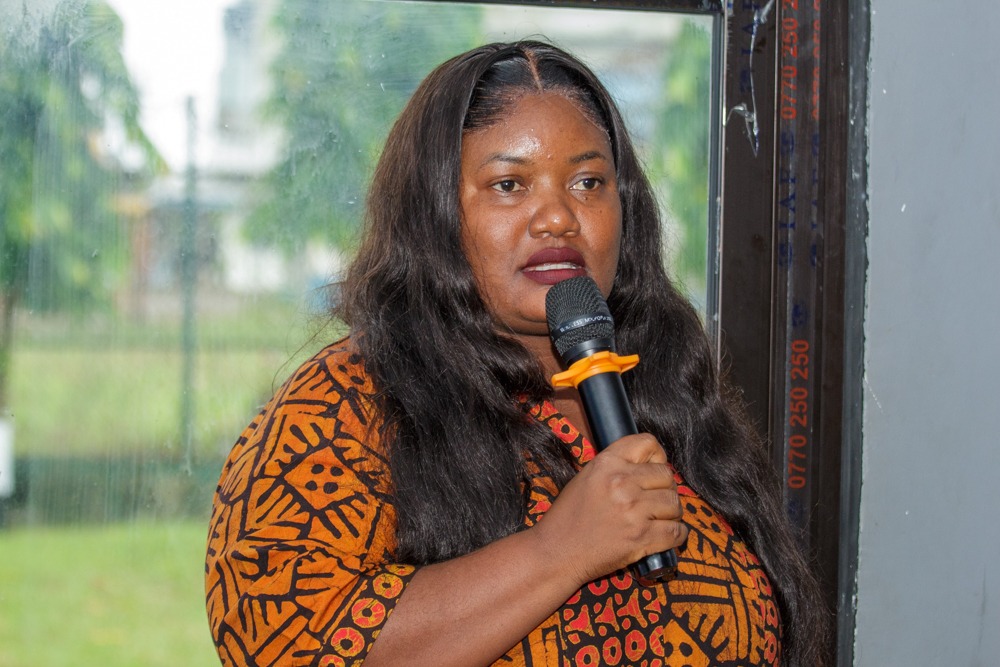
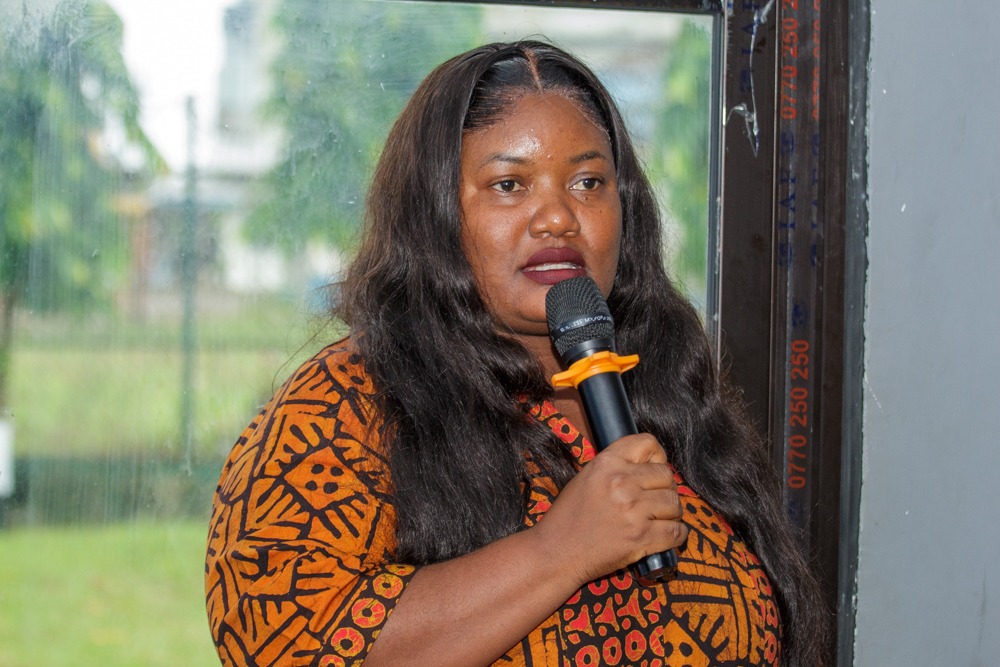
Madam Lisa Tenneh Diasay, President of FeJAL describing the exhibition as more than a collection of historical photographs, Madam Diasay emphasized its deeper purpose: “This photo gallery is more than an exhibition of images; it is a living record of Liberia’s journey through conflict, resilience, and peace. By preserving these historical moments, we are encouraging Liberians, especially young people, to reflect on our past, embrace reconciliation, and continue advocating for justice as the foundation for sustainable peace.”
Madam Diasay also announced FeJAL’s intention to expand the exhibition beyond Monrovia taking it into schools, universities, and communities across Liberia. The goal is to help young people better understand the country’s history while inspiring a new generation of peacebuilders and advocates for justice.
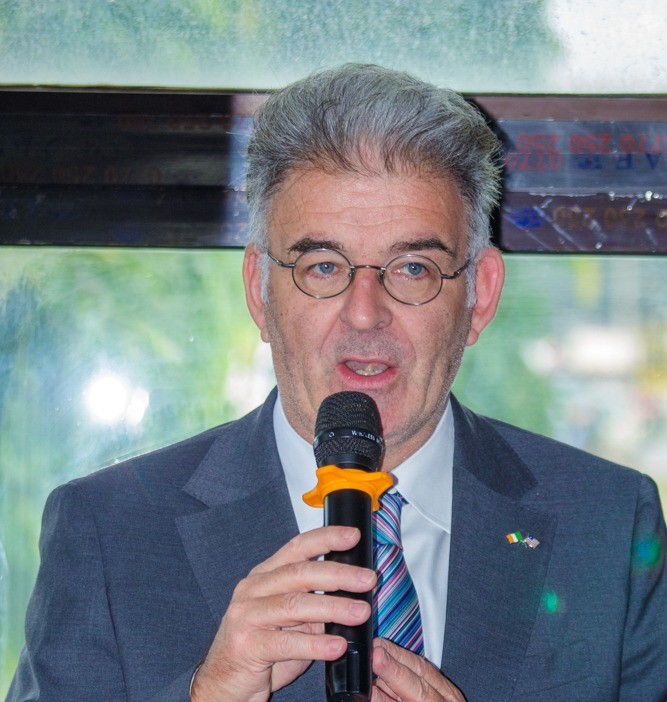
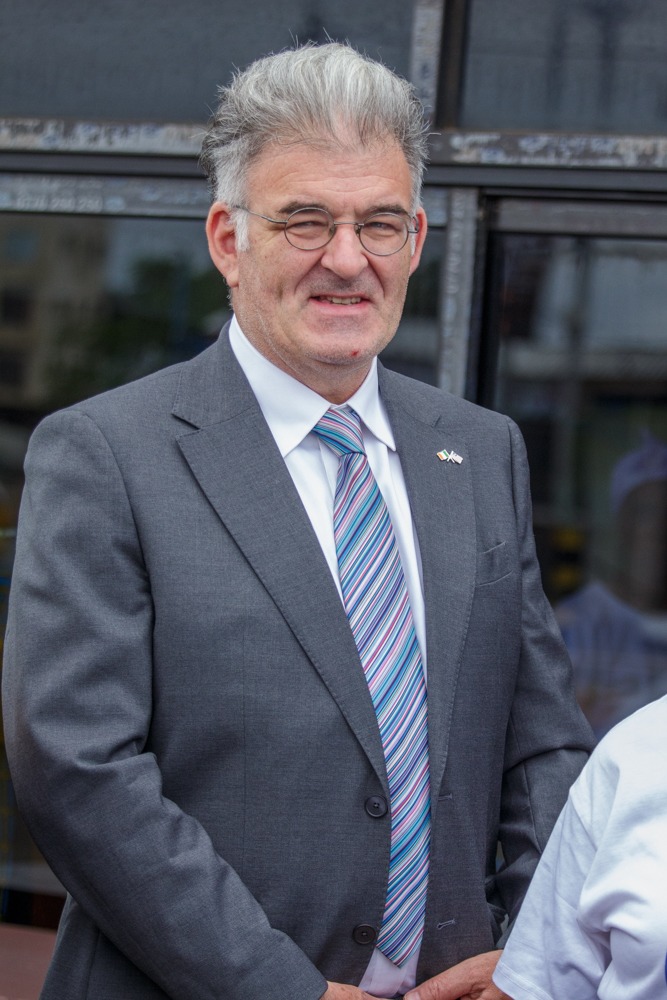
His Excellency Gerard Considine, Ambassador of Ireland to Liberia praised the exhibition as an important initiative that promotes a deeper understanding of Liberia’s history and supports national reflection. He noted that recent discussions during Liberia’s Independence Day celebrations in Buchanan had highlighted the country’s historical journey, making the exhibition a timely opportunity to further explore and appreciate Liberia’s past.
Ambassador Considine emphasized that such initiatives play a vital role in preserving historical memory and encouraging public engagement with Liberia’s history. He also expressed Ireland’s pride in partnering with the European Union and Kvinna till Kvinna (KtK) in supporting this important project, reaffirming their shared commitment to promoting peace, reconciliation, and social justice in Liberia.
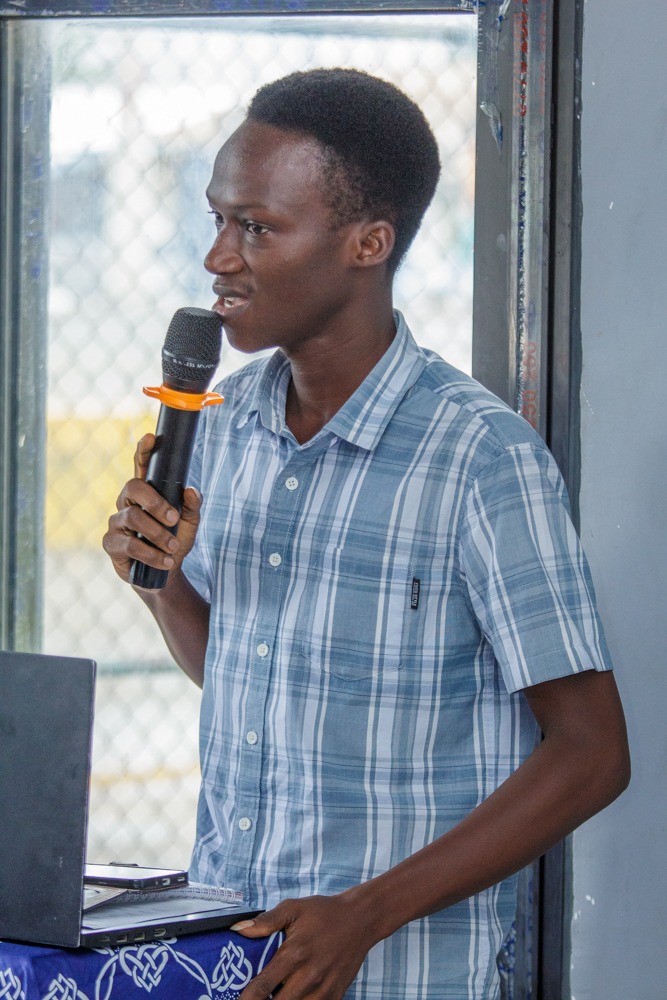
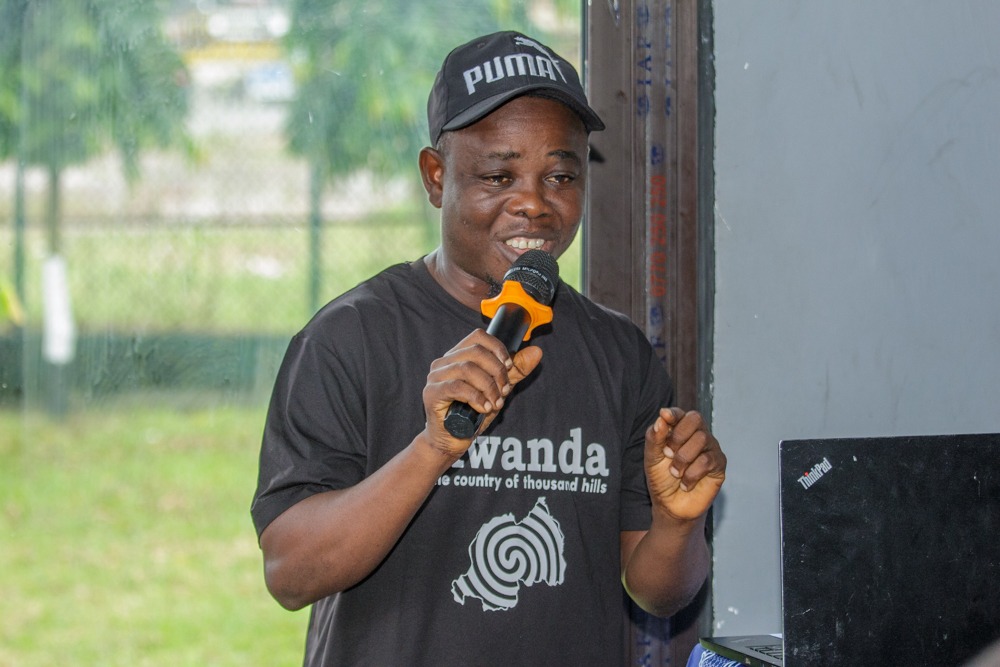
Gabriel Sau Tubah from Liberia Coalition on Youth, Peace and Security (YPS) introduced a deeply moving exhibition installation depicting a young girl’s bedroom a powerful symbol of the war’s impact on children and young women. He explained that the room tells the story of a girl who dreamed of becoming educated, confident, and successful, but whose future was disrupted by conflict.
He highlighted how countless girls were forced to abandon their education and take on adult responsibilities during the war, including caring for their families. Many lost opportunities to achieve their goals and realize their full potential.
Gabriel emphasized that this girl is not one specific individual but represents the experiences of thousands of Liberian girls whose lives were altered by war. He encouraged visitors to reflect on the long-term consequences of conflict and the importance of protecting the rights, education, and future of young people. His closing message was clear: “Investing in youth is an investment in Liberia’s future.”
Speaking at event, Benedict Sonyah, the program officer form Liberia Massacre Survivors Association (LIMASA) reminded participants that President Joseph Nyuma Boakai submitted both bills to the Legislature in May 2026 as part of the Government of Liberia’s commitment to accountability. He urged civil society organizations to sustain advocacy efforts, emphasizing that delaying the legislation could undermine Liberia’s transitional justice process.
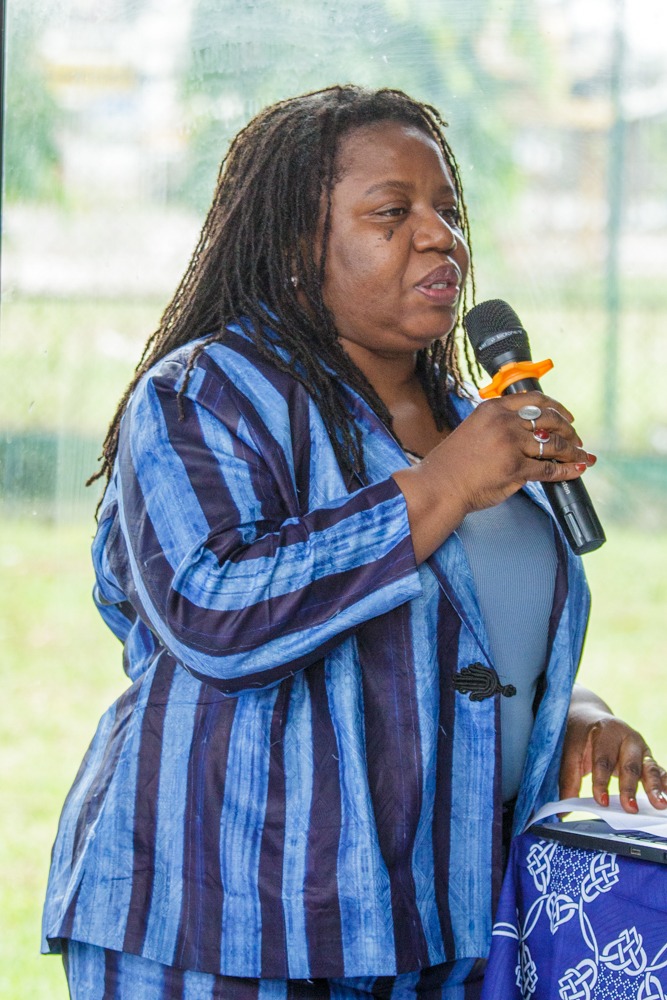
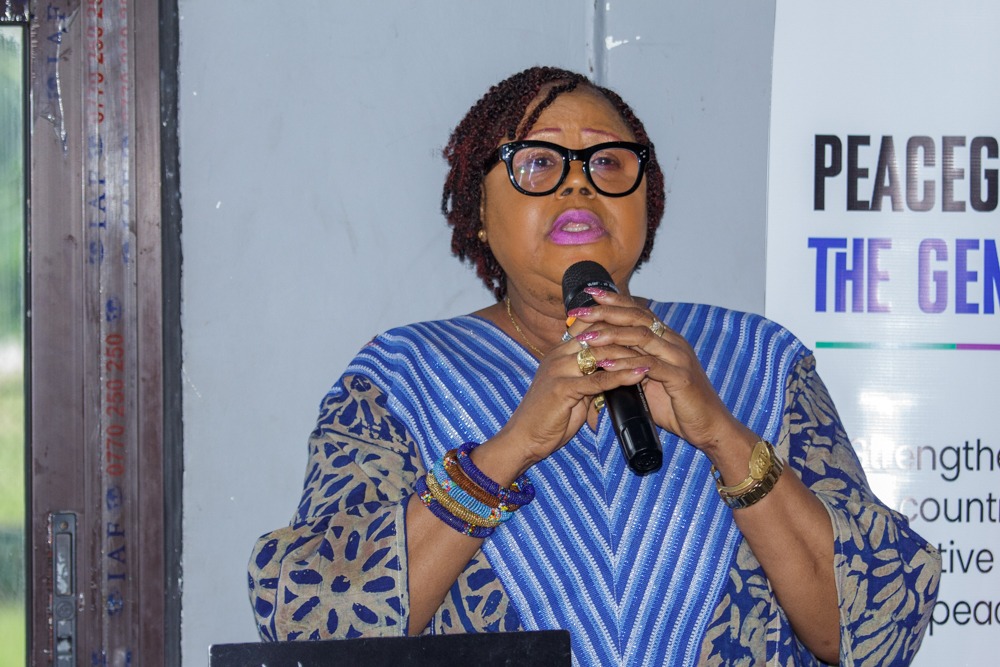
Delivering remarks on behalf of OWECC-L, Cllr. Bah-Kenneth, Acting Executive Director emphasized the crucial role young people must play in protecting Liberia’s peace: “The youth are the ones who will enjoy the peace we are striving to preserve. It is your responsibility to protect it because no foreigner will come to Liberia to maintain our peace for us. Liberians themselves must take ownership of sustaining peace.” She further noted that establishing the War and Economic Crimes Court is intended to promote justice, accountability, and lasting reconciliation for future generations.
Every photograph displayed throughout the gallery reminded visitors that peace cannot be taken for granted. Some images captured scenes of violence, displacement, and unimaginable loss, while others reflected resilience, hope, democratic progress, and reconciliation. Together, they told the story of a nation that has endured hardship yet continues striving toward justice and lasting peace.
Throughout the programme, participants reflected not only on Liberia’s painful history but also on the extraordinary courage shown by ordinary Liberians during the country’s darkest moments.
Through the PeaceGen Photo Exhibition, FeJAL and its partners have demonstrated that historical memory remains a powerful tool for education, healing, and civic engagement. By preserving Liberia’s story through photographs and encouraging open conversations about justice, accountability, and reconciliation, the exhibition challenges every Liberian especially young people to learn from the past and actively shape a future built on peace, truth, and respect for human rights.
As Liberia continues writing its next chapter, initiatives such as this remind us that sustainable peace is not achieved by forgetting history, but by remembering it, learning from it, and ensuring that justice remains at the heart of national renewal.
Exhibition Photos…..